The short answer
How much direct sun a flat gets depends on the orientation of its windows, the floor and the obstacles in front of it. These include neighbouring buildings, trees and the terrain. So check the specific balcony or façade at the times of day that matter to you – in summer and in winter. A sunny viewing alone isn’t enough.
By the way, a bright room isn’t automatically a sunny room: daylight also comes through the windows without direct sunlight. How bright it feels inside also depends on window size, room depth, glazing and surfaces.
Summer and winter: Lungern church compared
The church tower makes it easy to compare the cast shadows. Both views show the same camera position on 21 June and on 21 December, each at 12:00. The shadow strength is set to 75 per cent in both images.
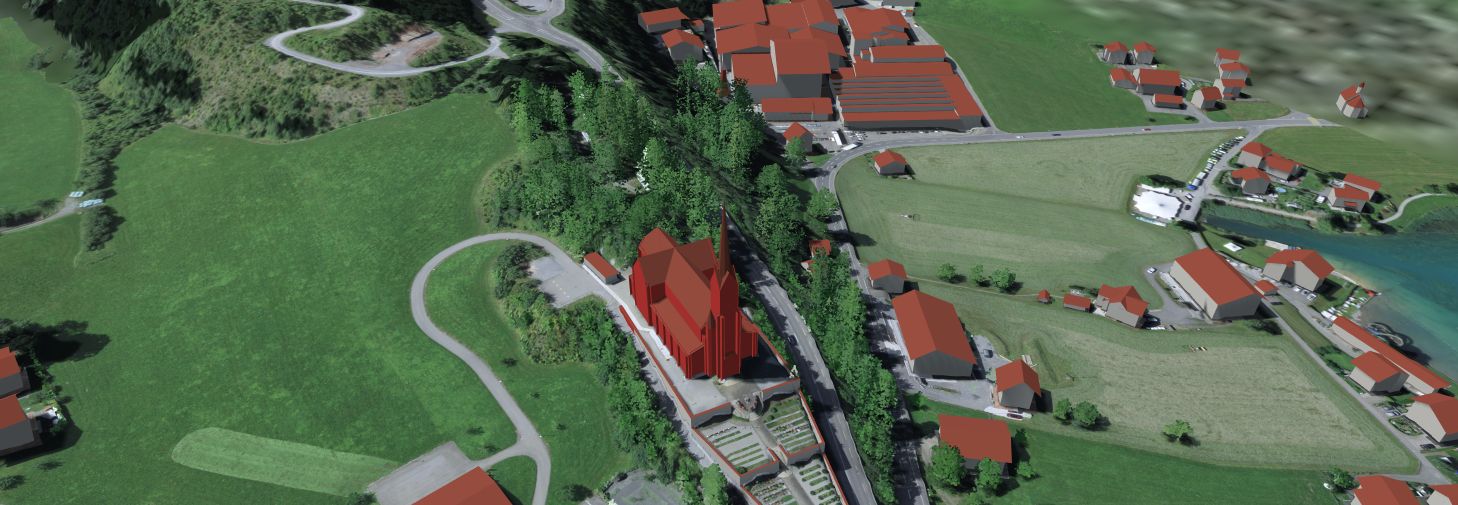
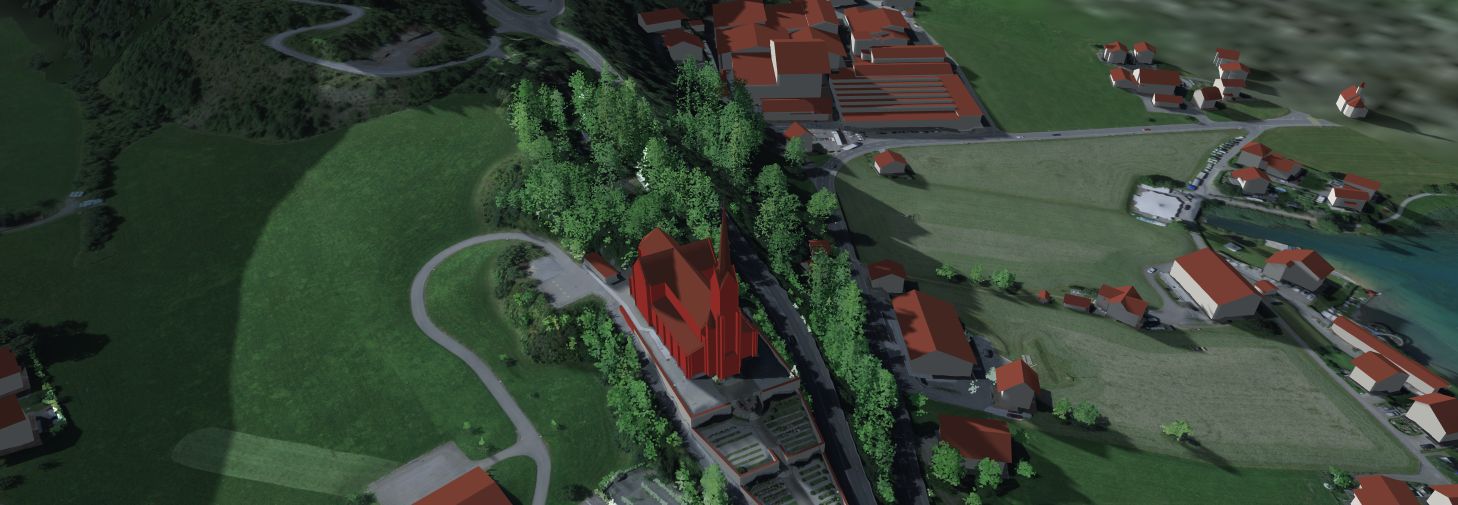
This shows why the mountains matter as well as the neighbouring buildings. The comparison concerns Lungern church and its surroundings. It measures neither the sun in a particular flat nor in the village as a whole.
A simulation, not summer and winter photos. The aerial photo stays the same and already contains shadows from the day it was taken. SunPlot overlays the calculated shading on top. Snow, clouds and seasonal changes in vegetation are not shown. You can tap the images to enlarge them. Geodata and aerial photo: © swisstopo; rendering: SunPlot.
About the time: June is on summer time, December on standard time. So 12:00 does not correspond to the local solar noon on both days.
Why orientation alone is not enough
A south-facing façade generally has good conditions for midday sun. But if there is a taller building or a steep slope in front of it, its shadow can still block the sun. Especially in winter, when the sun follows a lower path across the horizon.
A simple calculation makes the difference clear: on level ground, a 12-metre obstacle casts a shadow of about 6.8 metres at a sun elevation of 60.6°, and about 34 metres at 19.5°. This is a simplified geometric calculation, not a measurement of the buildings in the images. For an upper-floor window, what counts is the relative height of the obstacle, the direction of the sun and the shape of the building.
- East: good conditions for morning sun, if the view towards the rising sun is unobstructed.
- South: often sun around the middle of the day. In winter, a clear view to the south and the height of obstacles are particularly important.
- West and south-west: good conditions for afternoon and evening sun. A neighbouring house or a mountain ridge can cut it short early.
- North: usually little direct sun in winter. In summer, an unobstructed north façade can get sun early in the morning or late in the evening.
The floor also makes a difference. An obstacle can shade the ground floor while the windows above are already in the sun. Balcony ceilings, roof overhangs and side walls can further limit how much light comes in.
How to check a flat before buying or renting
- Decide where sun matters to you. Is it about the breakfast spot, the living room or the balcony after work? Check these places separately.
- Note the orientation and floor. A compass app helps you get your bearings. If necessary, check its reading outdoors, away from metal objects.
- Look at the obstacles. Which houses, trees, slopes or mountains lie in the direction of the sun you want? Also take the balcony above you into account.
- Compare several dates. For example 21 June and 21 December, plus a date in spring or autumn. Each time, choose the same times of day that are relevant to you.
- Compare the simulation with the viewing. Ask about the winter sun and about recent new buildings or construction projects. A data model may not yet include changes.
For evening sun, you will find more tips in the guide Evening sun on balconies and terraces. If there is a building opposite, the article Shadow from the neighbouring building will help you.
What a SunPlot analysis shows you – and where its limits are
SunPlot shows the position of the sun and the shading based on terrain and building data. Depending on the data loaded, vegetation is also taken into account. This lets you see when the sun can reach a selected model point and which obstacles are in the way.
The whole year at a glance – Lungern church
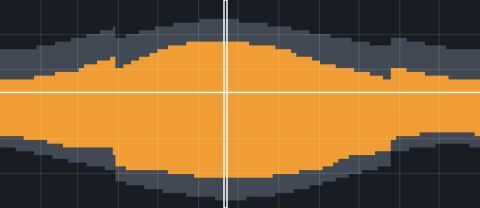
Calculated hours of sunshine are not a weather forecast. Clouds can shorten the actual duration of sunshine. Likewise, hours of sunshine at roof or object height are no proof of direct sun in a particular flat. The comparison images use exactly this automatic roof/object height.
For a specific flat, the position of its windows and the right height are what count. Small building elements, current trees or new buildings may not be fully represented in the available data. How the calculation works is explained under Data and method.
Frequently asked questions
Can a south-facing flat be in shadow in winter?
Yes. A south orientation alone does not guarantee winter sun. Buildings opposite, trees or the terrain can block the low sun. What matters is the specific spot and the height of the windows.
Can I check the winter sun in summer?
A simulation can show the position of the sun and the modelled shading for a winter day. Check the date you want and the right position or height. A viewing and up-to-date information on obstacles complement the analysis.
Are the hours of sunshine on the building the same as in my flat?
No. A model point on the roof can get sun while a flat lower down is in shadow. Windows, room depth and balcony ceilings also affect whether sunlight reaches into the room.